
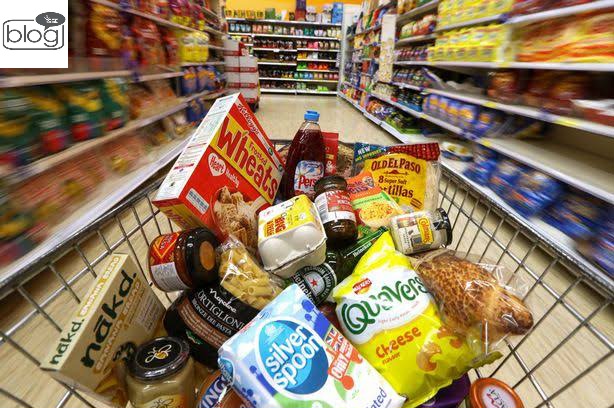
A supermarket is a place where a self-service shop offering a wide variety of food and household products, is organised into sections. According to the Daily Star, the supermarket industry will be growing at a rate of 24% each year on average and according to TBS news, within the next seven years, the supermarket will account for at least 10% of retail sales in Bangladesh.
Evolution of Supermarkets in Bangladesh:
The Industry Supermarkets in Bangladesh took its first step in 2001 with Rahimafrooz Superstores Ltd. They introduced ‘ Agora’. After that, in 2002 Gemcon Group launched ‘Meena Bazar’. Even though they both were the first mover, ‘Shwapno’ which was launched in 2006 is the market leader with more than 185 outlets all over the country. They serve more than 40,000 customers every day. However, the market is still growing. To capture the market, ‘Daily Shopping’ which is run by Pran-RFL Group, and supershop shops like ‘Almas’ and ‘Prince Bazar’ are opening outlets across Dhaka. Cities and urban areas like Dhaka, Chittagong, Narayanganj, Rajshahi, and Sylhet are the prime spots for the Supermarket retail outlets.
Challenges Facing the Supermarket Industry:
1) Investment Cost
According to the analysis of The Financial Express, the opening cost of a supermarket in Bangladesh is four times as much as those of neighbouring countries. The supermarkets are usually established in populated areas where customers from the middle and affluent classes easily come. Because of that, the inventor has to spend more money on the location, size, and interior design. So, the expense increases to establishing and managing a Supermarket.
2) Sharing Profit Margin
The profit margin of supermarkets depends on where you’re sourcing the products. If you use direct sourcing, there are 5 intermediaries and the profit margin is about 12- 18%. On the other hand, you have to pass 8 intermediaries and the profit margin is 10 – 12 %. Direct sourcing is better but because of transportation or farmers, it is not always possible.
3) Logistic Issue
It’s a very big challenge to sell products fresh because of supply chain logistics. The infrastructure of transportation in Bangladesh is not up to the mark. So, many customers believe that supermarkets sell preservatives contaminated fish meat, or vegetables.
4) Customer Perception
The perception of Bangladeshi customers is that they are price-sensitive. They always want to buy a product at a lower price but it has to be comparatively good. According to NBR guidelines, each supermarket must pay 5% VAT. The supermarket charged this VAT on 70%-80% of products. But when customers buy from the local retail store, they don’t have to pay extra VAT. Because of that , customers prefer these stores over supermarkets.
Opportunities in the Supermarket Industry:
In recent years, the GDP of Bangladesh increased from 31.6 billion in 1990 to 249.7 billion in 2017. This economic growth increased the buying power of the middle and affluent class. They have also become health conscious and looking for convenience and quality. Supermarkets such as Shwapno, Agora, and Meena Bazar are working on it. They have to provide all those values as well as have to set a low price which is very difficult. But Shwapno’s growth is predicted to reach 20% every year, which indicates that customers are moving away from traditional retail markets to supermarkets. So it is expected that this industry will grow even bigger.
To read more blogs click here
Writer,
Aticullah Khan
Intern
Content Writing Department,
YSSE