
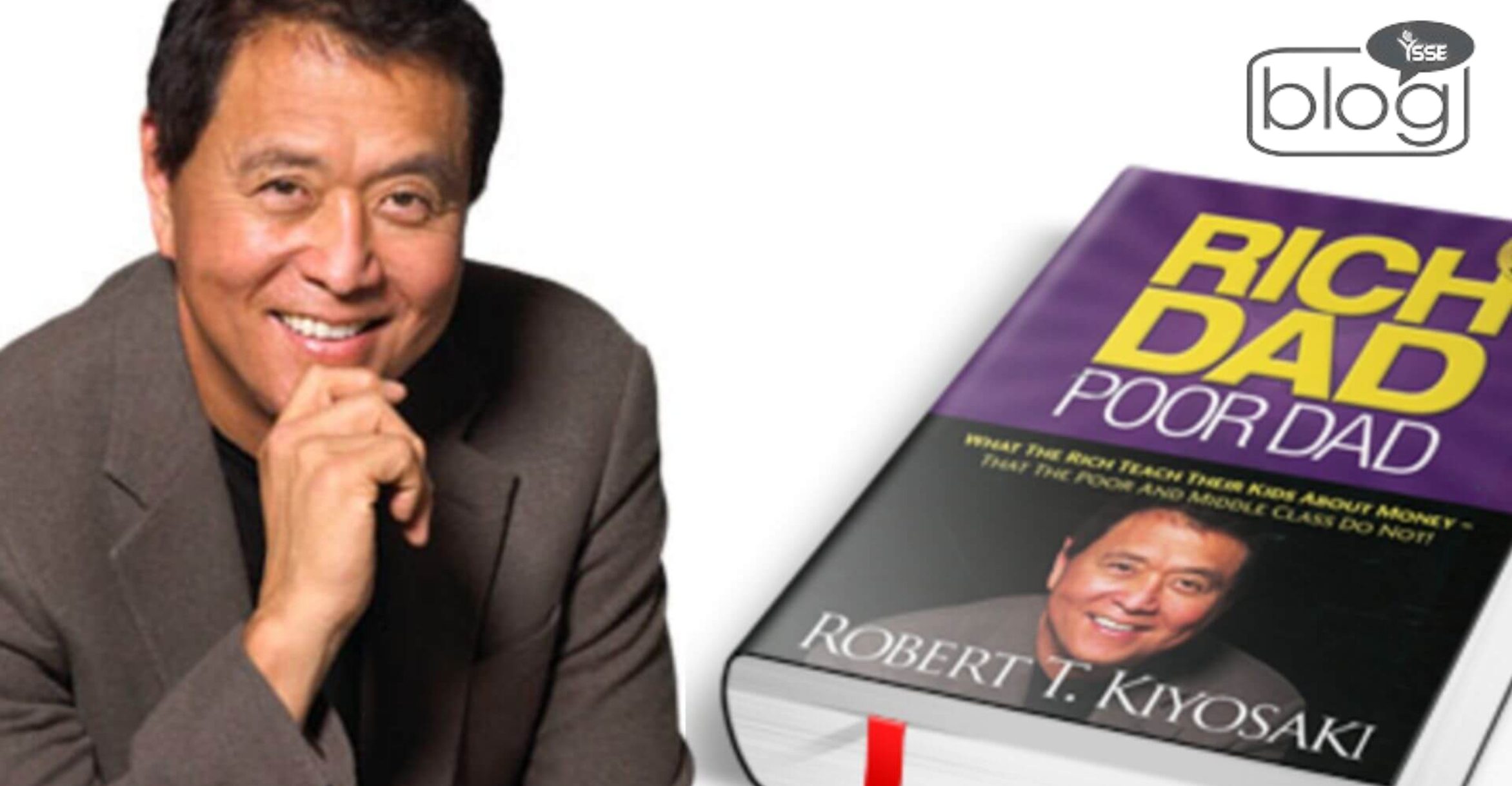
“Rich Dad Poor Dad” by Robert Kiyosaki is not just a regular or typical personal finance book; it is a guide that can act as your initial lesson in the personal finance realm. In this article, we will dive into the depth of this book and find out key takeaways and explore how these lessons can be applied as your primary step in mastering personal finance.
Lesson 1: Redefining success
This is the first lesson from “Rich Dad Poor Dad” which involves redefining or remastering your concept of success. Writer introduces two influential persons in his life: his biological father mentioned as “Poor Dad”, and his friend’s father mentioned as ” Rich Dad”.
Key difference among them lies in their attitude and concept towards money. Poor Dad sticks to the traditional path of job security and earns a steady paycheck, whereas Rich Dad focuses on financial education, investing, and wealth creation.
Application: To digest this lesson, start questioning traditional beliefs of success. Rather than being fixed on a stable job, consider the importance of financial education and investment.
Explore beyond typical career paths and identity opportunities to grow your wealth through strategic decision making.
Lesson 2: Embracing Financial Education
“Rich Dad Poor Dad” underlines the significance of financial education as a foundation of wealth creation.
Author advocates learning about money, investment, assets other than the conventional education system. Understanding how money works is one of the key points to making informed financial decisions.
Application: Your first step in personal finance education should include assurance to current financial education. Read books, attend workshops, and leverage online resources to improve your concept of money management, investing, and building assets.
Prepare yourself with the knowledge to make informed choices that align with your financial goals.
Lesson 3: Making Money Work for You
Kiyosaki emphasizes the idea to make money work for you instead of working for money directly.
His “Rich Dad” encourages to build income generating assets that includes real estates or investments to build wealth over time. This contrasts with the traditional concept of trading time for paycheck.
Application: As your foundational lesson, commence by recognizing opportunities to make your money work for you.
You should explore investment options, it can be in stocks, real estates, bonds, gold and many more. This change in mindset can pave the way for long term financial success and independence.
Lesson 4: Embracing Risk and Learning Failure
“Rich Dad Poor Dad” encounters the fear of failure and inspires embracing calculated financial risks as one of the key elements of financial growth. His “Poor Dad” sees mistakes as obstacles whereas others view this as valuable lessons that enhance the learning curve.
Application: Key takeaway from this lesson is to overcome your fear. Consider mistakes as your foundational steps. If you do not fail or face mistakes, you are not supposed to grow; not just financially but anywhere.
“Rich Dad Poor Dad” provides a transformative lesson in personal finance by restructuring your mindset and thoughts, highlighting the importance of financial education, supporting making money work for you, and cheering a fearless approach to risk.
As you apply these principles to your financial journey, you’ll pave the way for a future marked by financial independence and informed decision-making.
To read more blog like this, visit .
Writer
Hasibul Ahmed Pulok
Intern, Content Writing Department
YSSE