
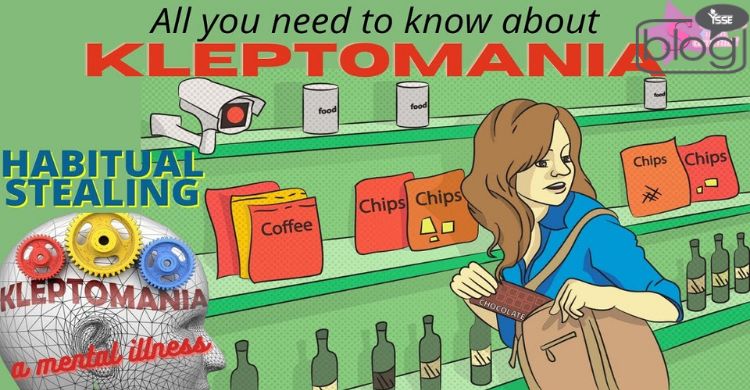
What is kleptomania?
Kleptomania is mainly an impulse control disorder where the patient feels the indomitable urge to steal things though they might not need them.
What causes kleptomania?
- Neurotransmitters
The real cause is still being researched. But, the possible cause may be linked with a naturally occurring brain chemical (neurotransmitter) known as ‘Serotonin’. This chemical regulates the emotions and moods of a person. Hence, a low level of serotonin may bring out symptoms of kleptomania.
Also, stealing releases another neurotransmitter called ‘Dopamine’ which gives pleasurable feelings for which people may tend to get this feeling again and again.
- Genetic problems
Kleptomaniac patients are more prevalent in those families with records of previous cases of members affected with kleptomania, or other brain disorders, such as dementia, epilepsy, etc.
- Psychiatric disorders
Psychiatric conditions like anxiety, physical or sexual abuse, negligence, smoking or drugs’ abuse, mood swings, stress, bulimia, split personality etc. may lead to kleptomaniac activities. It is also believed that OCD patients and depressed persons may become kleptomaniac later on as the kleptomaniac patients describe their urges to be unwanted and compulsive.
What are the symptoms?
- A constant indomitable urge to steal things that are of no specific use to them.
- A non-describable rewarding feeling of achieving something great.
- A guilt and remorseful feeling that eats them after the event.
- Do not hold any special purpose or benefit.
- No hostile attitude attached towards the owner.
- Feel the urge to return the things after picking them.
- Keeps repeating this type of activity.
- Are theft and kleptomania the same?
- Kleptomania and theft or shoplifting are totally different terms.
- Kleptomaniac patients do not steal deliberately
- The things are of no value to the kleptomaniacs
- Kleptomaniacs feel guilty after picking up things unlike those shoplifters or thieves
- Most importantly, kleptomania is a disease, not a natural habit out of need or will.
- Who are more affected?
Kleptomania usually begins in adolescence and is rarely seen in children.
According to studies, it is more common in women than men. Women in their late 30s with psychiatric disorders are more likely to get affected by this disease.
Is kleptomania curable?
Kleptomania’s treatment can be followed by these:
Medications:
There has not been much fruitful study on medications to treat kleptomania. There is no approved medications or food for kleptomania till now. However, certain medications may help, depending on the situation and other mental health disorders, depression, OCD etc.
Naltrexone (addiction medication), an opioid antagonist, may help to reduce the urges and pleasure associated with theft.
Antidepressants or OCD medications like Prolert may help but these should not be consumed without psychiatrist’s diagnosis.
A special type of psychotherapy known as Cognitive Behavioral Therapy helps the person identify unhealthy, negative beliefs and behaviors and replace them with healthy, positive ones. Cognitive Behavioral Therapy may include these techniques to help the person control their kleptomania urges-
Covert sensitization: In this, the person imagines themselves stealing and then facing negative consequences, such as being caught or getting humiliated which restrains them from their kleptomaniac acts.
Aversion therapy: In this, the person practices a bit painful techniques like holding their breath until they become uncomfortable when they get an urge to steal.
Systematic desensitization: In which a person practices relaxation techniques and pictures themselves controlling urges to steal.
Avoiding relapses: For avoiding relapses, the person needs to be sure to stick to their treatment plan. And if they feel the urge to steal, they should contact their mental health professional or reach out to a trusted person or support group.
- What are our duties?
Kleptomaniacs are not thieves. They pick up things unintentionally and feel great remorse afterwards. We should be sympathetic towards them as kleptomania often occurs due to stress, depression, mental diseases. These mental disorders can be very painful and these patients are most of the time misunderstood and mistreated. Understanding and sympathizing them can help them return from these stressful paths. For this, we should have proper knowledge about this disease and also educate others to not let any misconception spread. Kleptomaniac patients mainly need our help and support which may bring them to the normal life.
To read more blogs, click here.
Writer
Nowrose Sharmin Mou
Associate Head,
Content Writing department
YSSE